
The Boat Box
Encapsulating memories.

The Boat Box
Encapsulating memories
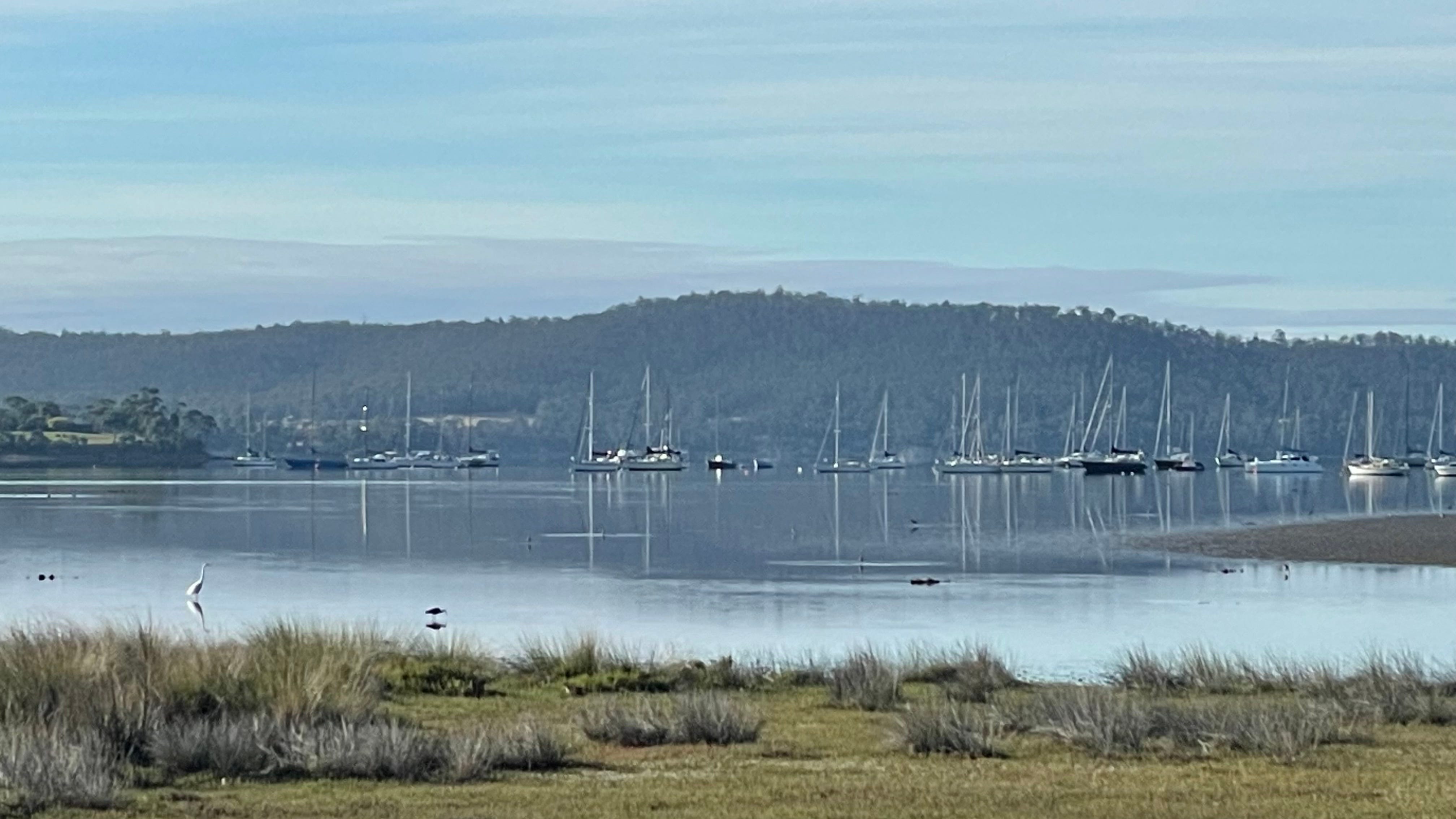
I wake at Cygnet, camped by the bay for the Cygnet Folk Festival, to a lull in the wind. The sea is now calm. The yachts on their moorings appear as silhouettes. An egret or heron splosh in the foreshore mud. The music from the day before still swirling, lingering in my mind. Songs of shipwreck, soldiers killed in war, Pete Seeger’s protest songs of the sixties, songs of the forest. All songs of loss and longing. I’m not immune. My emotions are overflowing, tumbling out. I feel the sadness and grief and the longing for times past.
It’s not that the past was sad. It was interesting, exciting , full of possibilities. That is still the case to some extent, but as the saying goes the reality is ‘It was better to be 20 in the 70’s than 70 in the 20s’ with a whole lifetime ahead of hopes, dreams, and possibilities. But thankfully, so many of those fulfilled, accomplished, satisfied. So many memories.
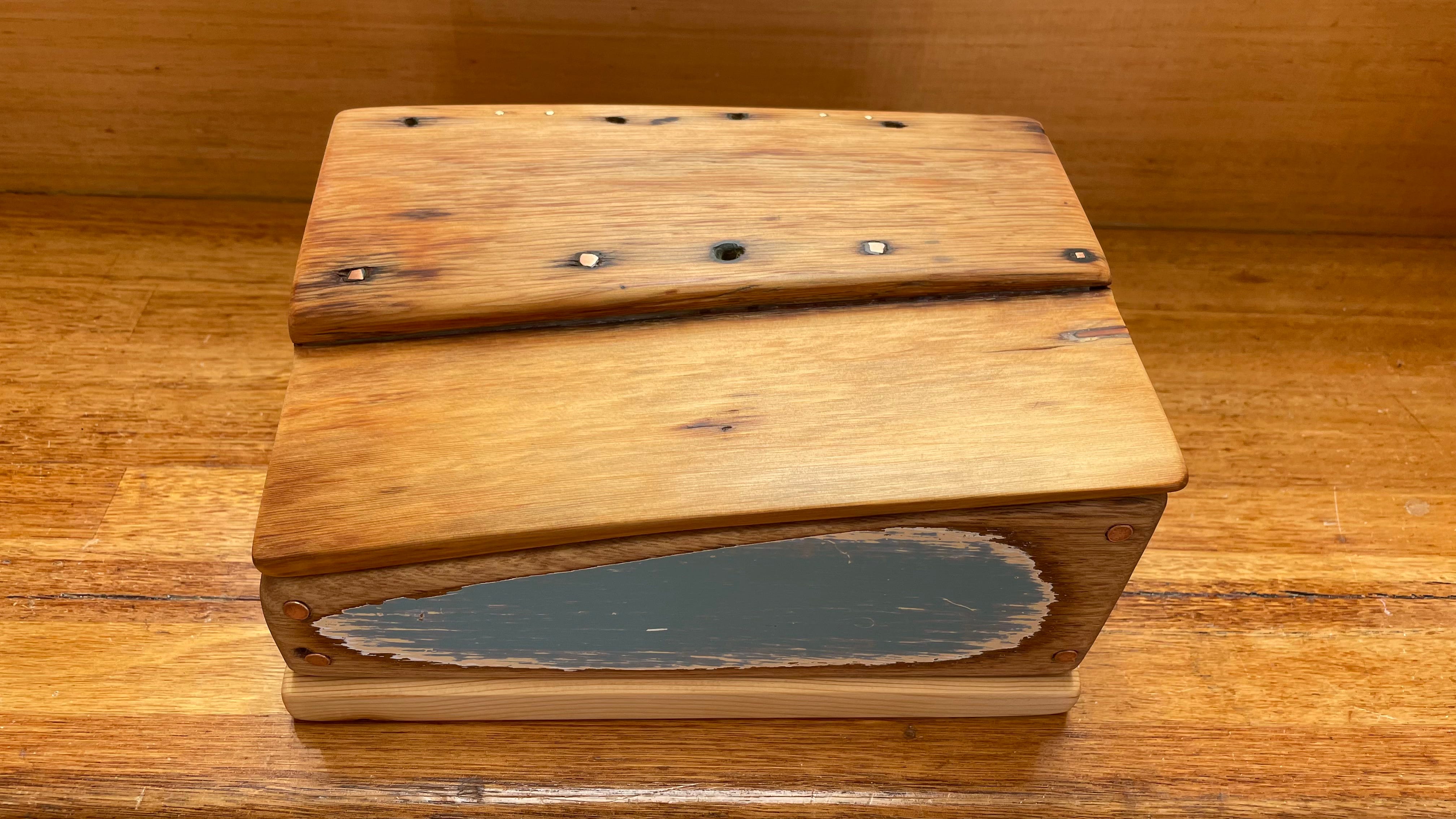
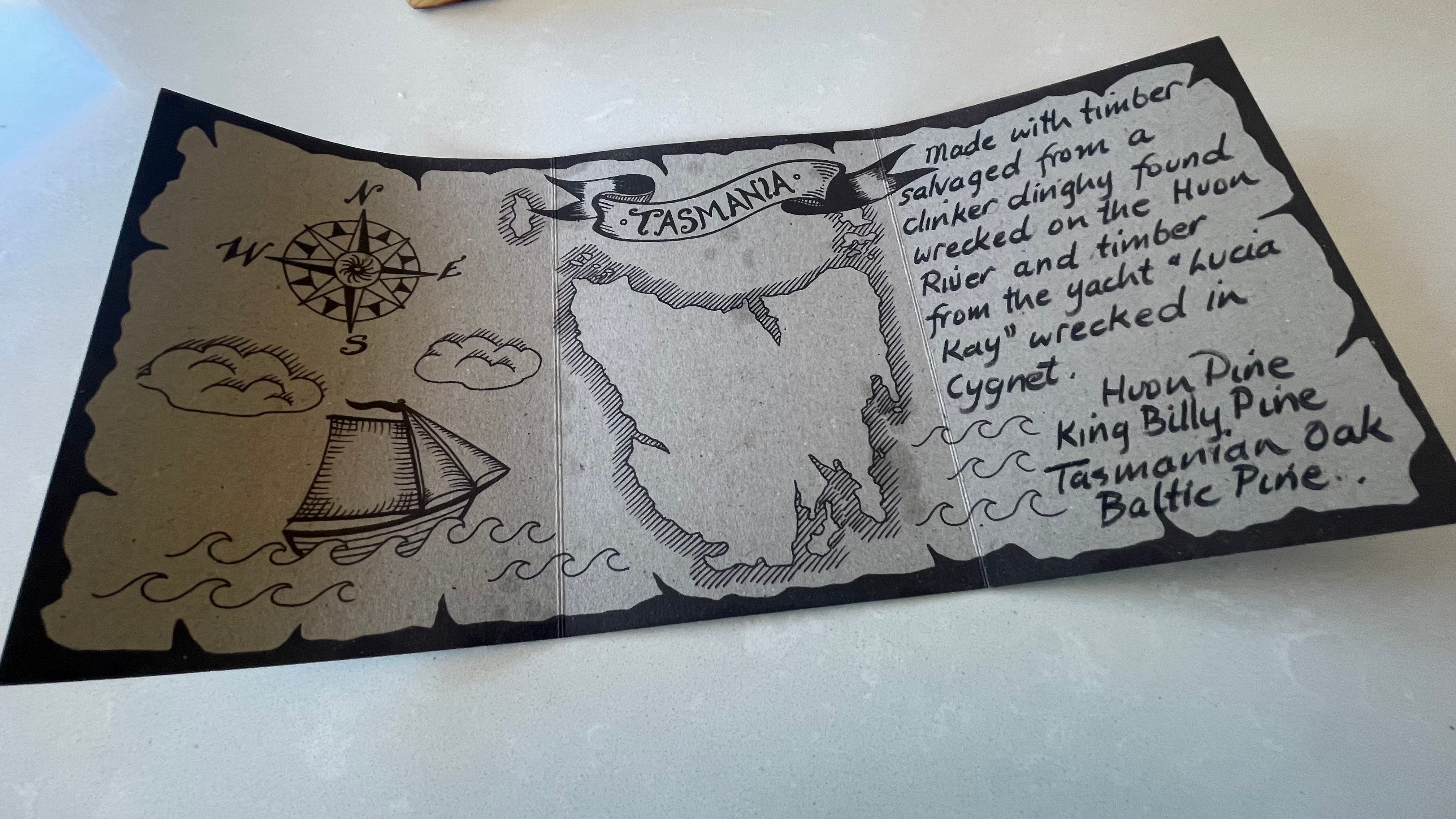
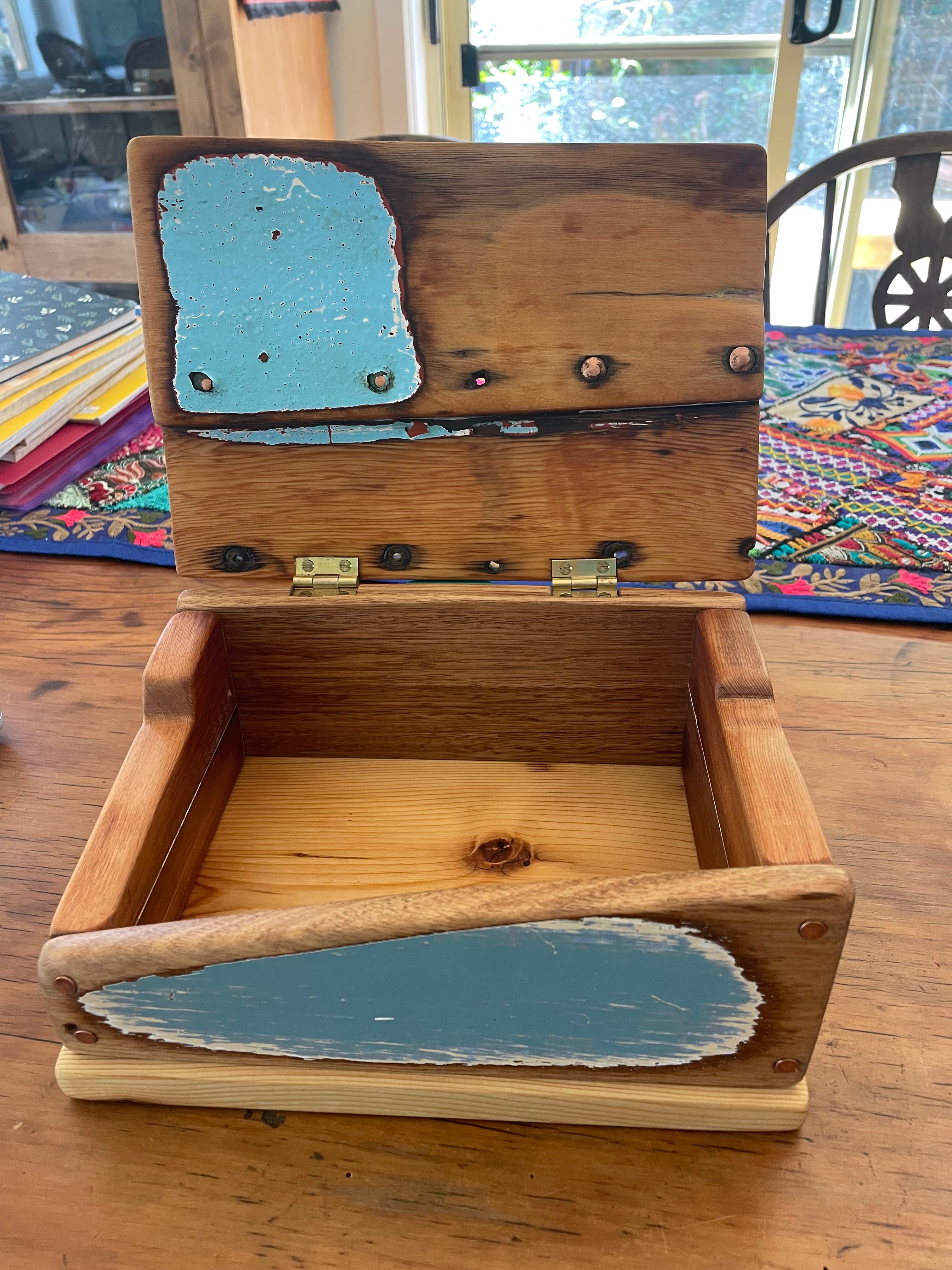
It was in this mood that I saw the Boat Box at a gallery in Cygnet. It is crafted from old Tassie boat-building timber – Huon Pine, King Billy Pine, Tasmanian Oak, Baltic Pine. The recycled timber comes from boats which are either wrecked, derelict or under repair, in this case a wrecked clinker dinghy and the yacht ‘Lucia Kay’. The wood is lovingly sanded back, while retaining some of its original paintwork, rejoined with copper nails, and then configured to be a tangible piece of maritime history in the form of a small box, by Cygnet artist, Amanda Steel.
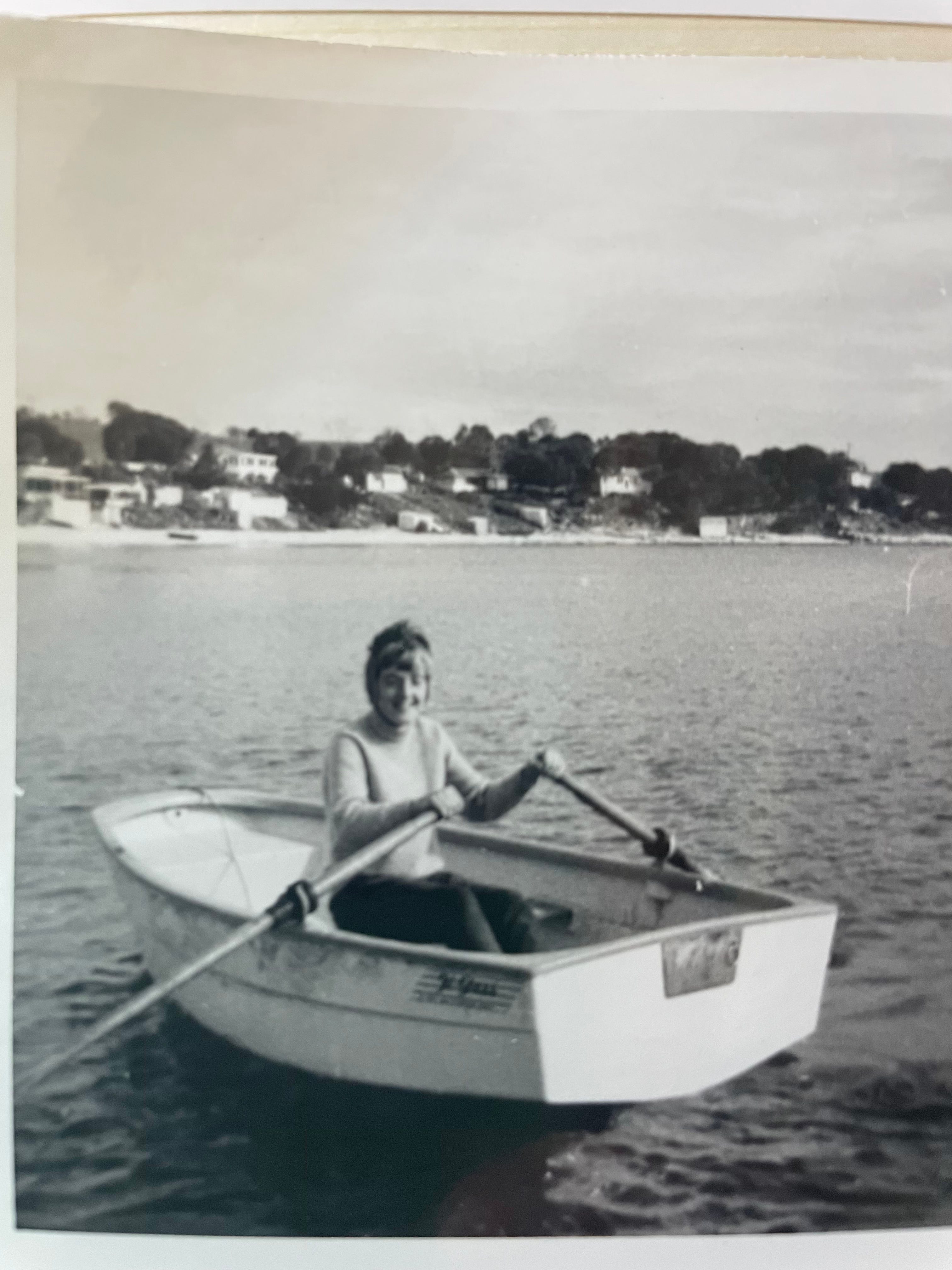
This box of boating history brought my own boating history to the fore. I grew up with my father teaching me to row and fish on the Tamar in a 10-foot pine dinghy, to the refrain of ‘Row, Boys, Row’. Then, newly married and living by the sea buying an 8’ fibreglass punt to fish on the Derwent, before upgrading to a 15’ fibreglass runabout.
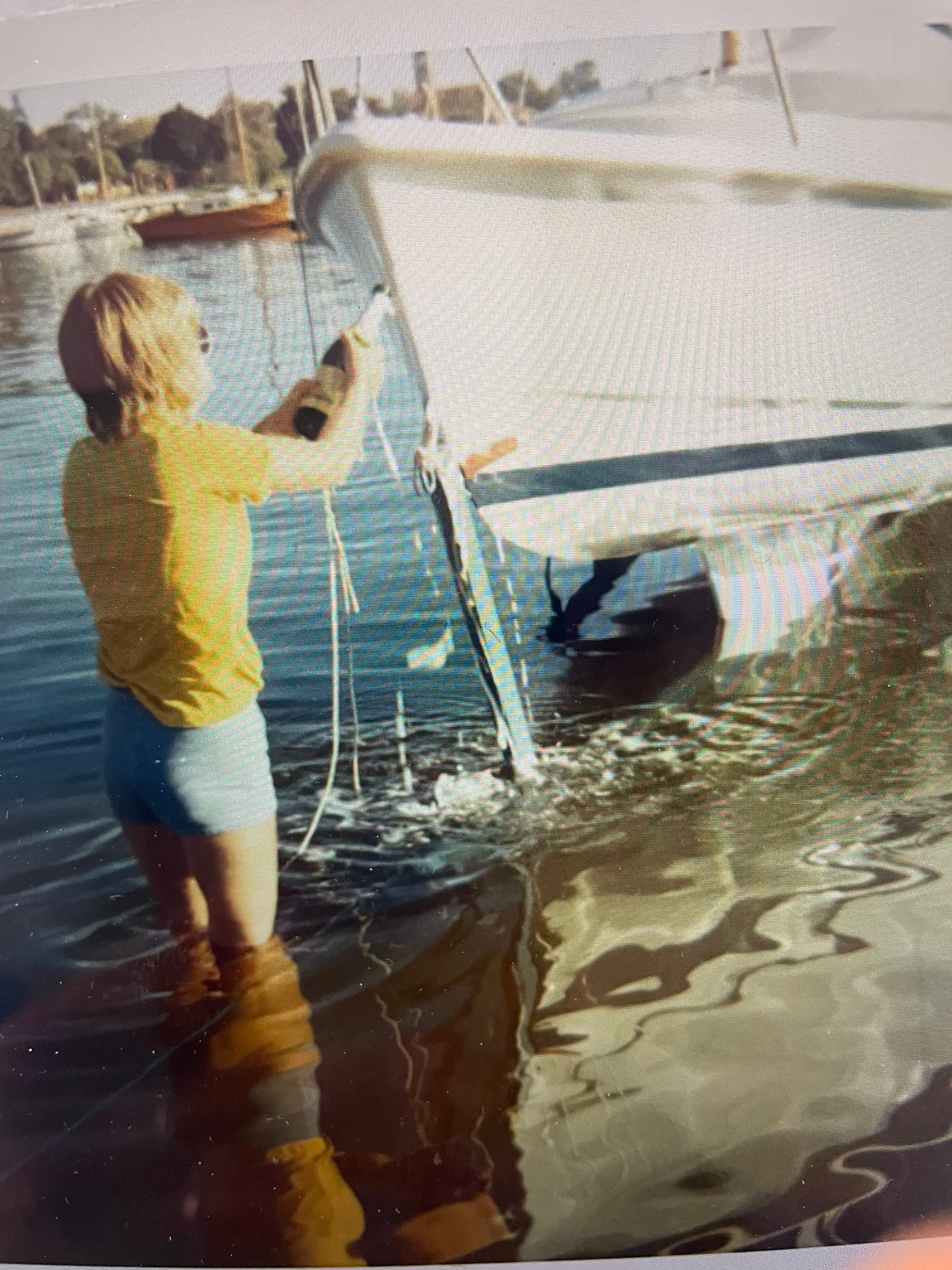
When on a working holiday to Perth in Western Australia we suddenly decided we had to have a 20’ fixed keel, trailer-sailer, ‘a Red Eagle’ design, christened ‘Blue Heaven.’ It was the first time we had tried sailing. We meandered around the Swan River, learning the ropes. The next day we thought we’d picked up enough skills ,and, as it was Easter, we set sail off-shore for Rottnest Island. It was very, very, very rough. We took shelter on Garden Island, where a local, obviously recognising us as newbies, rowed out to tell us we needed to move as we’d be on dry sand when the tide went out. He offered us his mooring for the night, and the advice not to proceed further because of the wild weather predicted. Six people in boats drowned off Perth that Easter.
We decided to tow ‘ Blue Heaven’ to Darwin as we continued our working holiday. 1971 - no sealed roads, corrugations, river crossings and lots of road trains. Sailing to Thevenard near Onlow, off the North-west coast of West Australia, we became used to the huge tide drops and the scary tropical creatures. At Dampier, a sting-ray or was it a skate (I closed my eyes.) as long as the yacht surfaced along-side us. Then near Halls Creek disaster struck. The weld on the trailer split, the yacht skidded along the gravel. A passer-by alerted the nearest cattle station. A foreman and some aboriginal workers were sent to assist. They propped the boat up on its gunwale with a couple of paddles, hoiked the bits of trailer onto their truck and headed to the station to reweld it. I was left standing by the yacht on the road with my two-year old son and a paddle to protect it from scavengers. Luckily, all repaired, if was returned before dark, and the keel was maneuvered with brute strength back onto the trailer. Onward to Darwin.
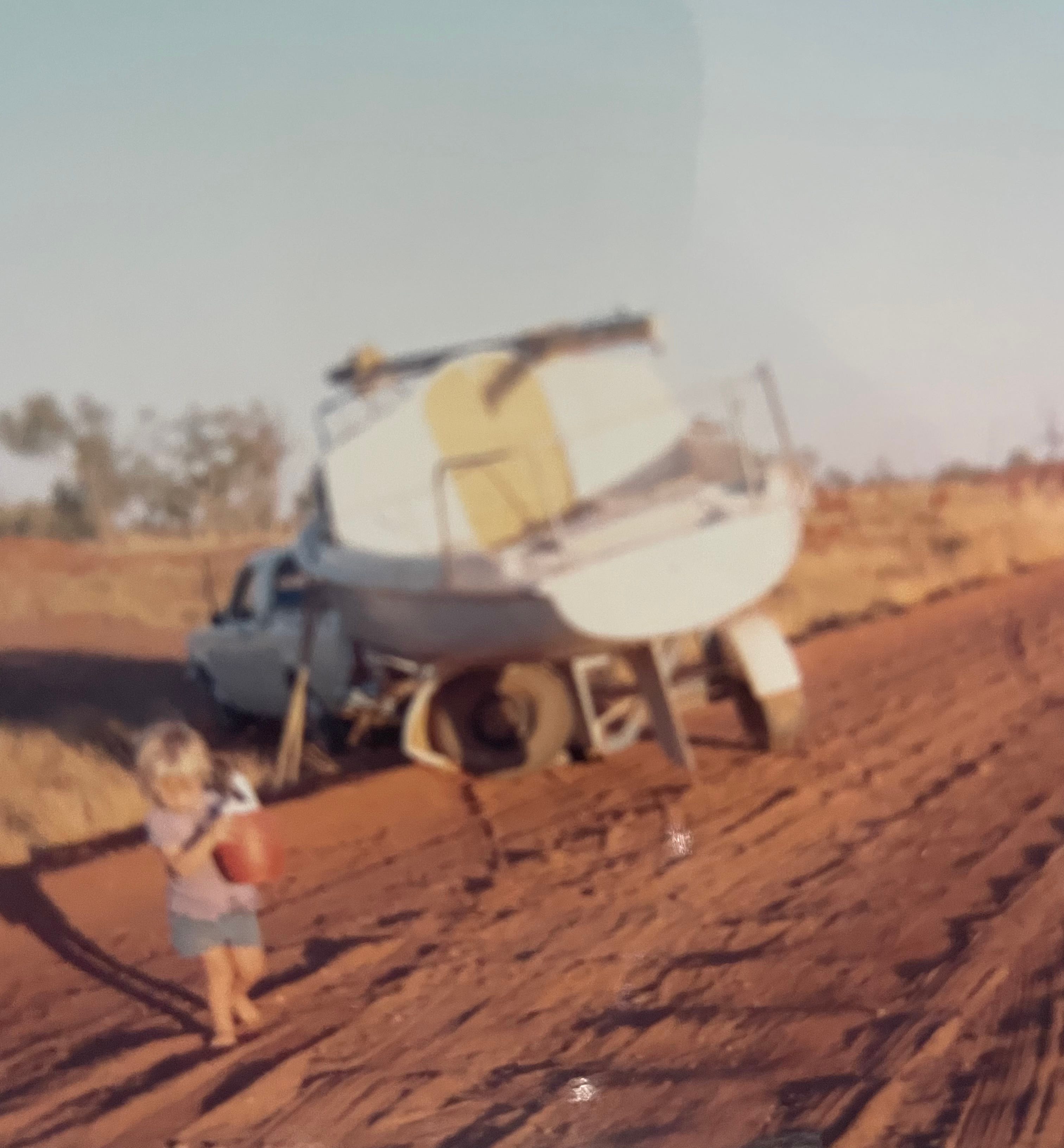
At that time, no-one could do the fibreglass repairs, that were needed, in Darwin . The insurance company wrote it off and it was sold ‘as is’ there. Subsequently we saw images of it wrecked during Cyclone Tracy in 1974.
All that experience enabled us to get the agency to sell the ‘Red’ range of trailer- sailers in Tasmania. These keel yachts were perfect for Tasmania’s deep waters and we did sell many. With that success we gained more agencies for Tasmania. We sold heaps of Windrush Surfcats, then up-sized and started to sell the Cavalier range of keel yachts too – the Cavalier 26’ and the Cavalier 975m. It was then we got into fibreglassing and started to make our own tri-hull dinghies.
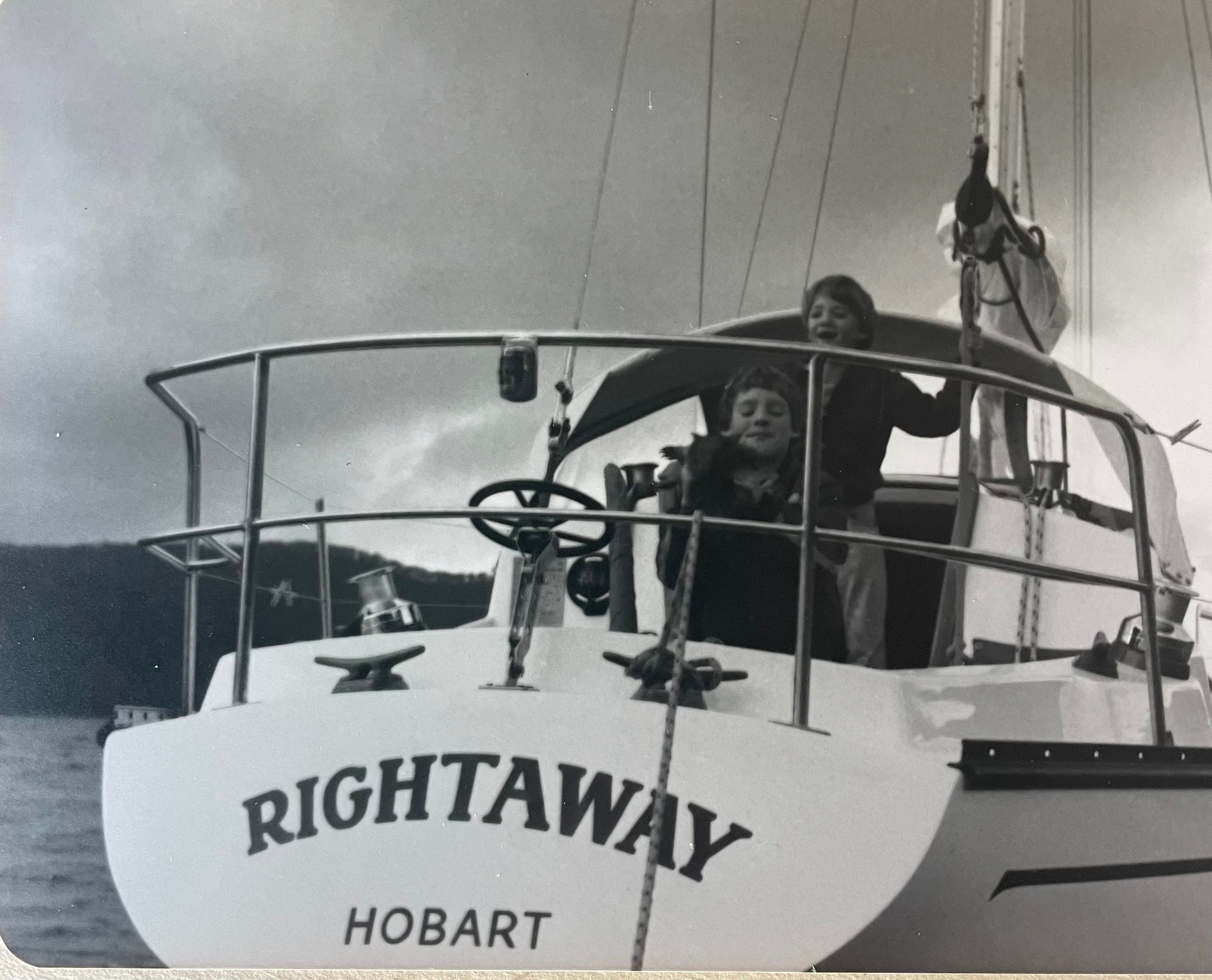
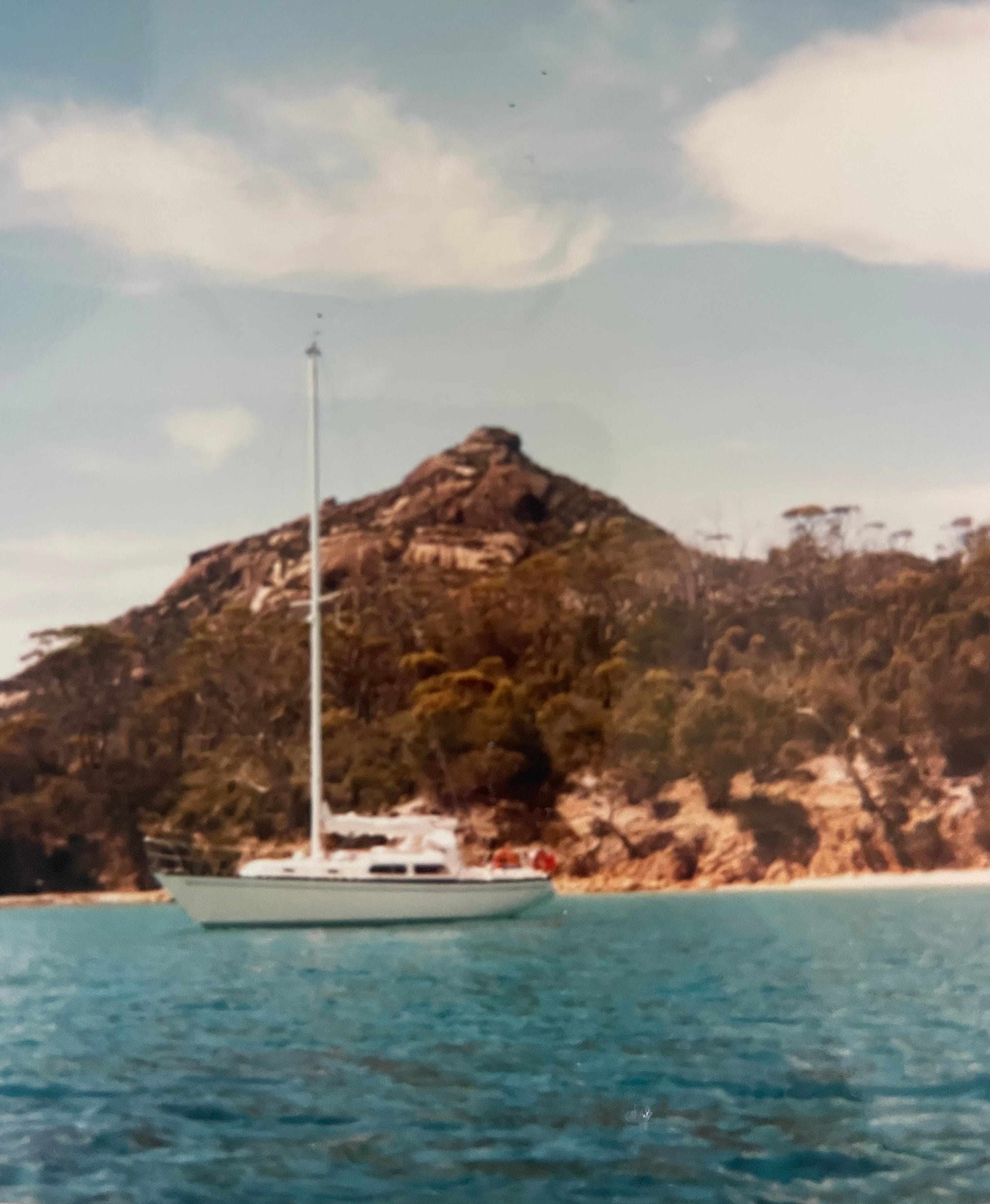
And out of all that work, we ended up with our own Cavalier 975, ‘Rightaway’, that we planned to sail right away from it all. We did sail for a few years around Southern Tasmania – Tasman Peninsula, the Derwent, D’Entrecasteaux Channel, Bruny Island, Maria and Schouten Island, Freycinet and Cockle Creek. But then, during my divorce, Rightaway sailed right away out of my life.
Never defeated, I went back to the beginning. I bought another 8’ fibreglass punt, christened it ‘Revival’ , moored it below my land in Eaglehawk Bay and rowed the Bay looking for signs of the convict settlements from the 1800s, scoured the shores for driftwood, picked mussels from the rocks and caught flathead for tea. It stood sturdy on its moorings but time took its toll and it ended up on the rocks – a jagged tear, lumps out of the gunwale, a battered base. All that fibreglass experience stood me in good stead and after I repaired it and the mooring line, it swayed in the Bay for many more years.
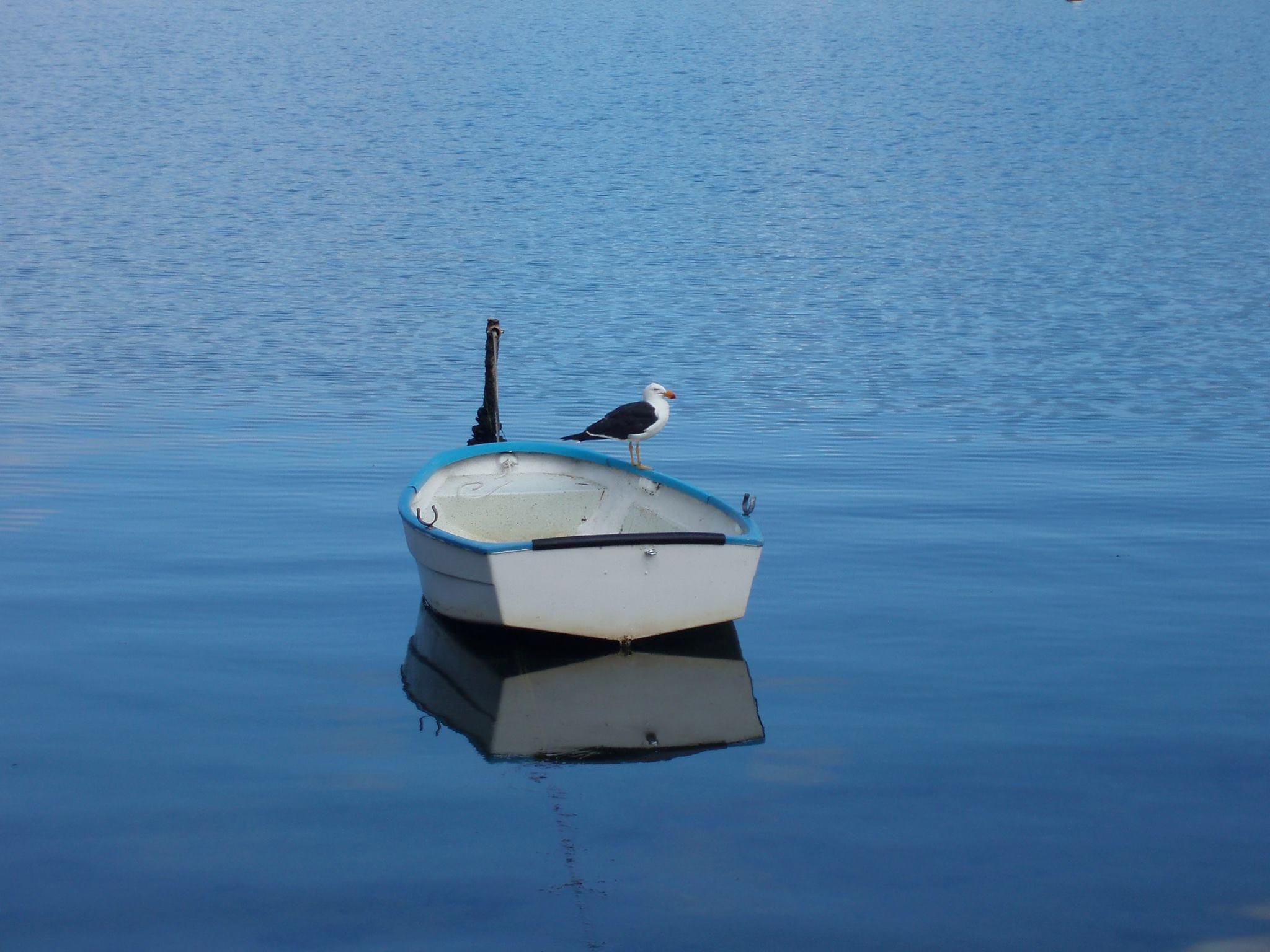
When I moved closer to Hobart, still by the sea, I envisaged many more years of rowing but it became increasingly difficult to jump in and out with the strong surge when launching. It timed with the Council banning boats being pulled up on the beach, as they were damaging the dunes, and I was sadly saved from myself.
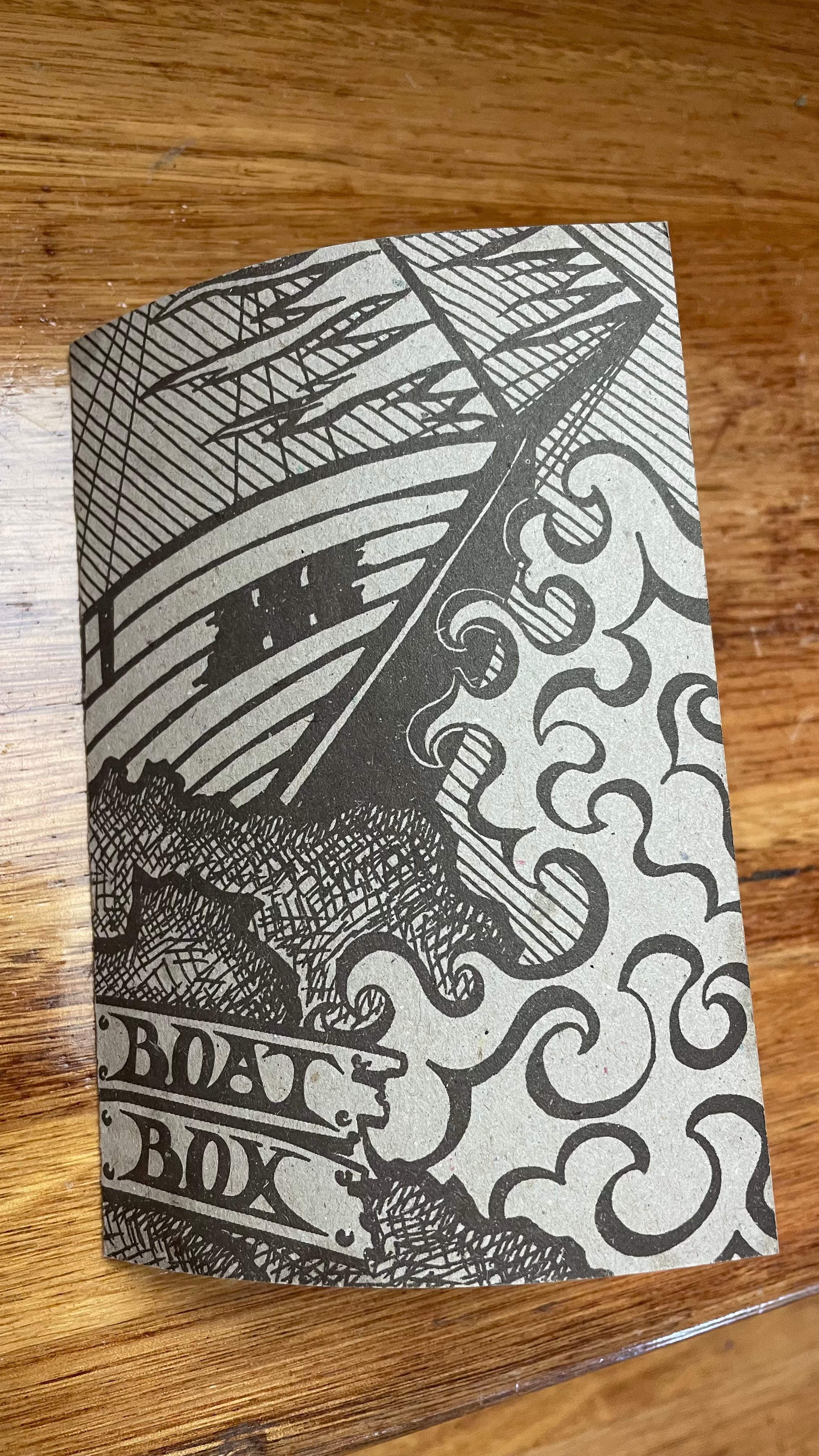
Then I saw the box, the Boat Box. The shape is beautiful, the rainforest timbers are magnificent, the history is intriguing, it has provenance. And the smell of the linseed oil took me to back to boat yards. A Boat Box to hold visceral memories of my nautical life. It encapsulates my life by the sea, both then and now.
And this little box, that is the epitome of so much of my life in my mind, will then be perfect to hold my ashes at my wake sometime in the future, before they are turfed on the dunes in front of my home at Frederick Henry Bay. Maybe one of my sons will keep it with a thought, a visceral memory, of his mum.
Noni by email. 'Love your thoughts Lou and the way you pulled together different parts of your life to give depth about your response to how a boat box can pull together former and much larger in physical size experiences in your relationship to boats! Thanks so much. And I like the way you included pics from other days around boats. '
Love your story and your writing Lou. The history, the significance of “the boat box” to your true nautical soul is so comforting and a pleasure to read, to understand who you are. “Never to be defeated” no challenge too great but an experience to be had. “Rightaway” with you till it wasn’t, but your memories tucked away in the boat box to be treasured and released when you are. How apt. Thanks for the read Lou. .